
Understanding Dry Eye Therapy: Are You Ready for Relief from Chronic Redness?

Understanding Dry Eye Therapy: Are You Ready for Relief from Chronic Redness?

Understanding Dry Eye Therapy: Are You Ready for Relief from Chronic Redness?

Understanding Dry Eye Therapy: Are You Ready for Relief from Chronic Redness?

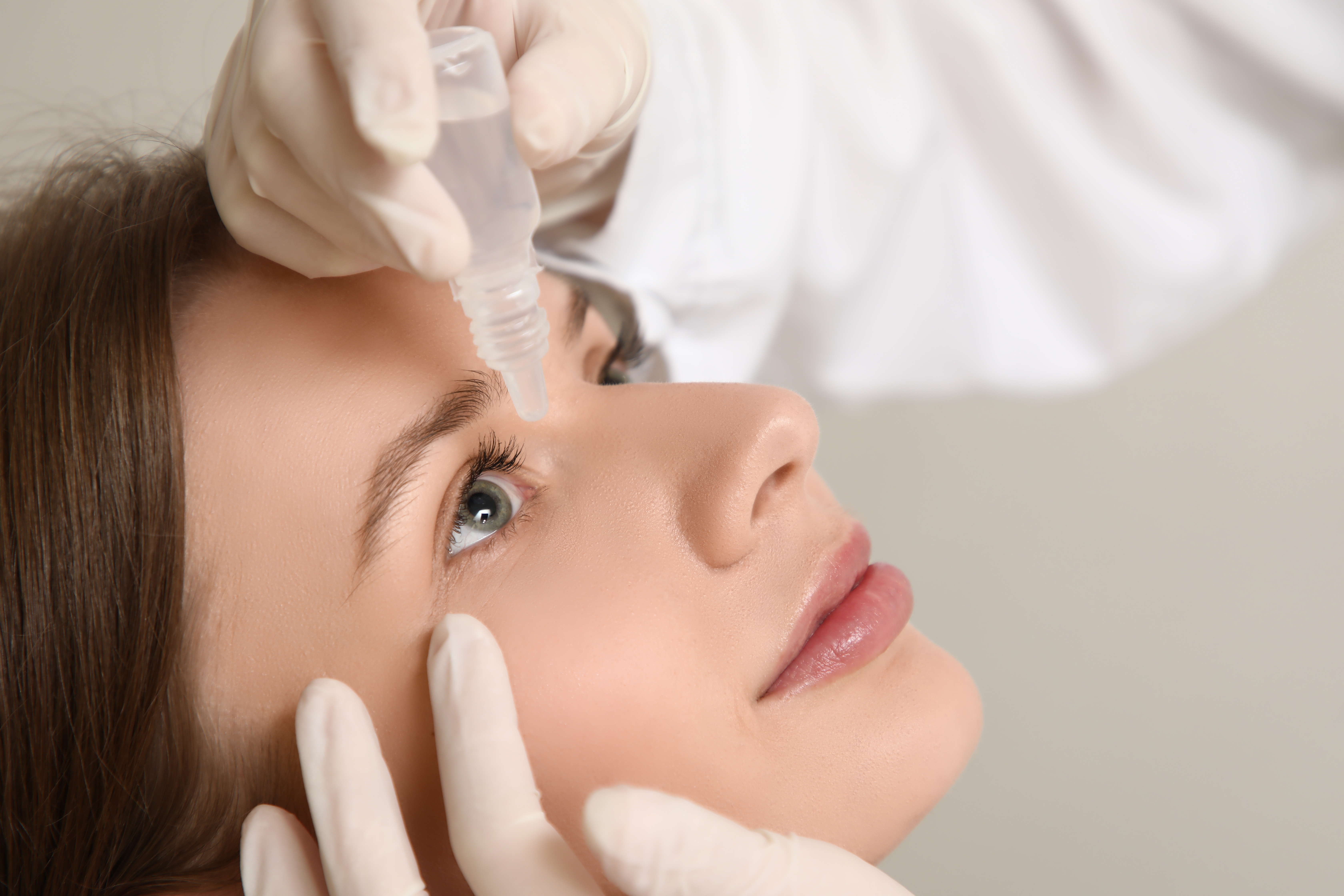
Red eyes are often blamed on allergies, lack of sleep, or long hours in front of a screen. While these triggers can cause temporary irritation, redness that keeps returning may be a sign of dry eye disease. For patients in Frisco, understanding the source of chronic redness is the first step toward finding treatment that provides more than short-term relief.
At Eyes of Starwood, dry eye therapy is personalized to the condition of the tear film, eyelids, oil glands, and eye surface. A detailed evaluation can help determine why your eyes remain uncomfortable and which treatment options may be appropriate.
Why Dry Eye Can Make Your Eyes Look Red
Dry eye develops when the eyes do not produce enough tears or when tears evaporate too quickly. Healthy tears keep the eye surface smooth, comfortable, and protected. When the tear film becomes unstable, inflammation and irritation can make the eyes appear red, tired, or watery.
Meibomian gland dysfunction is a common cause of evaporative dry eye. The meibomian glands along the eyelids release oils that slow tear evaporation. If these glands become blocked, the tear film may break down too quickly, leading to burning, grittiness, fluctuating vision, and chronic redness.
Signs You May Need Professional Dry Eye Therapy
Occasional irritation may improve after rest or with basic lubricating drops. However, recurring symptoms deserve a closer look. Consider scheduling a dry eye evaluation if you experience:
- Redness that returns throughout the day
- Burning, stinging, or a sandy sensation
- Watery eyes that still feel dry
- Blurry vision that briefly clears after blinking
- Light sensitivity or eye fatigue
- Contact lens discomfort
- Symptoms that worsen with screens, wind, fans, or air conditioning
These symptoms can overlap with allergies, blepharitis, infection, and other eye conditions. An accurate diagnosis helps prevent unnecessary trial and error with products that may not address the underlying problem.
What Happens During a Dry Eye Evaluation?
A dry eye assessment looks beyond visible redness. Your Frisco eye doctor may review your symptoms, medications, health history, screen habits, contact lens use, and environmental triggers. Testing can evaluate tear production, how quickly tears evaporate, eyelid structure, and meibomian gland function.
This information helps identify whether your symptoms are related to insufficient tear production, excessive evaporation, eyelid inflammation, blocked glands, or a combination of factors. The findings also provide a baseline that can be used to monitor your response to treatment.
How Advanced Dry Eye Treatments Work
Mild dry eye may respond to artificial tears, environmental changes, improved blinking habits, or eyelid hygiene. When symptoms persist, professional dry eye therapy may be needed to target inflammation, improve oil flow, or help tears remain on the eye surface longer.
Eyes of Starwood offers advanced dry eye services in Frisco, including diagnostic testing, Lumenis OptiLight IPL, LipiFlow, TearCare, MiBo Thermoflo, BlephEx, punctal plug options, and prescription therapies. Treatment recommendations depend on the cause and severity of each patient’s condition.
Heat-based treatments may help soften thickened oils within the meibomian glands. IPL may be considered when inflammation is contributing to poor gland function. Eyelid cleansing treatments can help manage debris and inflammation around the lashes, while punctal plugs may reduce tear drainage for selected patients. Not every treatment is appropriate for every case, which is why diagnostic testing is an essential part of the process.
Are You Ready to Move Beyond Temporary Relief?
Over-the-counter drops may provide temporary comfort, but they do not always address the cause of chronic redness. You may be ready for advanced dry eye therapy if your current routine is no longer keeping you comfortable, your symptoms interfere with reading or screen use, or contact lenses have become difficult to tolerate.
A personalized treatment plan can combine in-office therapy with practical home care to improve daily comfort and support long-term eye health. Severe dry eye should not be ignored because ongoing disease can sometimes damage the corneal surface.
Schedule a dry eye evaluation with Eyes of Starwood at 6842 Lebanon Road, Suite 101, Frisco, TX 75034, or call (972) 544-4300.


© 2026 Eyes of Starwood. All rights Reserved. Accessibility Statement
Powered by:
