
Why Is Night Driving Getting Harder? Glare, Astigmatism & Vision Changes After 40

Why Is Night Driving Getting Harder? Glare, Astigmatism & Vision Changes After 40

Why Is Night Driving Getting Harder? Glare, Astigmatism & Vision Changes After 40

Why Is Night Driving Getting Harder? Glare, Astigmatism & Vision Changes After 40

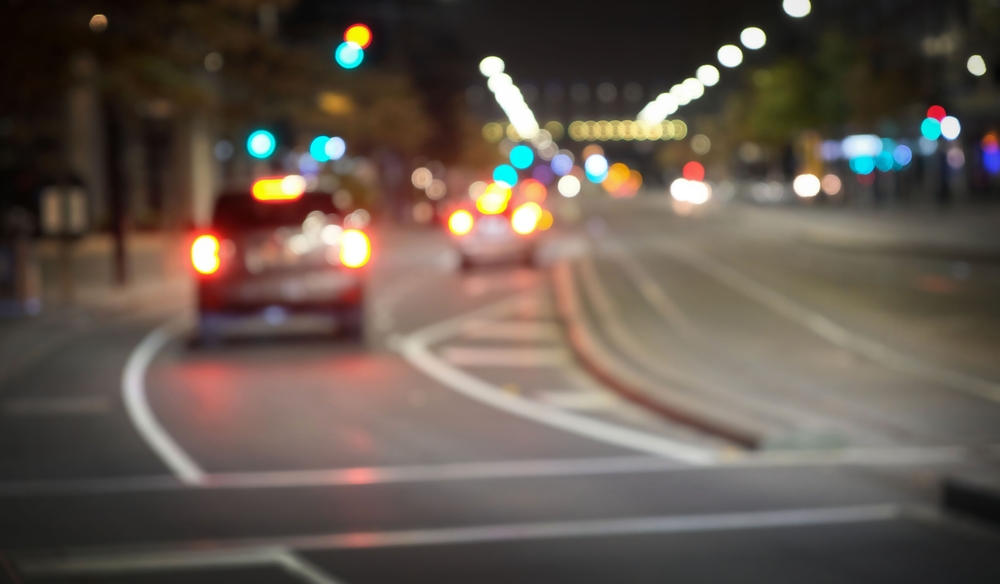
If driving after sunset feels more difficult than it used to, you are not imagining the challenge. Night driving depends on clear distance vision, good contrast sensitivity, and the ability to adjust to changing levels of light. Astigmatism, prescription changes, dry eye, and age-related vision changes can all make headlights and streetlights more distracting.
At Eyes of Starwood, we encourage Frisco drivers to pay attention when night driving glare becomes new, noticeable, or progressively worse.
Why Glare Is More Noticeable at Night
In low-light conditions, your pupils become larger to let more light into your eyes. A larger pupil can make certain optical imperfections more noticeable. Bright headlights against a dark background can also create a significant contrast that makes glare, halos, or starbursts harder to ignore.
An outdated glasses or contact lens prescription may make the problem worse. Even a relatively small refractive error can become more apparent when road signs are dim, lane markings are less visible, or headlights are approaching from the opposite direction.
How Astigmatism Can Affect Night Driving
Astigmatism occurs when the cornea or lens has a shape that causes light to focus unevenly. Instead of producing one sharp point of focus, light may appear blurred or distorted.
At night, someone with uncorrected or undercorrected astigmatism may notice headlights that look smeared, stretched, haloed, or surrounded by starbursts. Road signs may also seem less crisp from a distance.
Astigmatism can often be corrected with glasses or appropriately fitted contact lenses. If your current correction no longer provides clear night vision, a comprehensive eye exam can determine whether your prescription has changed.
What Changes After Age 40?
Presbyopia commonly begins to become noticeable in the 40s as the eye gradually loses some of its ability to focus at close distances. Presbyopia itself primarily affects near vision, so difficulty reading your phone or dashboard does not automatically explain glare from oncoming headlights.
Other changes can occur with age as well. Your prescription may shift, dry eye may affect the smoothness of the tear film, and changes within the natural lens of the eye can influence
visual clarity. Cataracts also become more common with increasing age and can eventually contribute to glare and difficulty seeing at night.
When Should You Schedule an Eye Exam?
Night driving difficulties are worth discussing during an eye exam, particularly if they are new or interfering with your confidence behind the wheel. Signs to mention include:
- Increasing glare from headlights or streetlights
- Halos or starbursts around lights
- Blurry or distorted distance vision
- Difficulty seeing road signs after dark
- Frequent squinting or eye strain while driving
A comprehensive evaluation can help determine whether the cause is astigmatism, another prescription change, dry eye, cataracts, or a different eye health concern.
Clearer Vision Can Make Night Driving More Comfortable
You do not have to assume that increasing night driving glare is simply something to accept after 40. Keeping your prescription current and identifying changes in your eye health can help you understand why nighttime vision has become more challenging. For drivers throughout Frisco, regular eye exams are an important part of maintaining comfortable, functional vision at every stage of adulthood.
See the road more clearly after dark and schedule your comprehensive eye exam with Eyes of Starwood in Frisco, Texas, by calling (972) 544-4300.


© 2026 Eyes of Starwood. All rights Reserved. Accessibility Statement
Powered by:
